
Stop Being So Hard on Yourself: A Therapist in Leeds Guide to Self-Compassion
I remember a time when I felt like I’d failed at everything. I’d just come back to Leeds after the end of a relationship I’d poured so much into — let’s call him Mr Big. I was low, lost, and unsure of who I was without that connection. So, I threw myself into something new: I trained to be a Zumba instructor.
It came so easily to me — the rhythm, the fun, the joy. I had packed-out classes, people loved it, and for the first time in a long time, I was in my element. But I didn’t see it that way back then. I was so focused on my “big dreams” that I dismissed it all. I didn’t value it, didn’t celebrate it, didn’t see the magic of what I was doing — just got stuck in what was missing.
Looking back now, it makes me a little sad. I see how hard I was on myself. I never gave myself credit for finding joy, connection, or for starting something new in the middle of heartbreak. I just saw what I wasn’t doing, what I hadn’t achieved yet.
That’s the thing — most of us don’t give ourselves enough credit for how far we’ve come. We focus on the gap between where we are and where we want to be, completely missing all the tiny, courageous steps we’ve taken to get here.
Why Are We So Hard on Ourselves?
From a brain science perspective, this makes a lot of sense. Our brains are wired to detect threats — and unfortunately, we often treat our own mistakes and perceived shortcomings as threats. That means we’re constantly scanning for flaws, for what we did wrong, or where we “should” be by now.
Instead of celebrating progress, our brain defaults to protecting us from failure — by pointing out everything that’s “not enough.”
And often, it’s unconscious. The stories we tell ourselves — “You should be further ahead by now” or “You’re not doing enough” — run quietly in the background like old software. Unless we interrupt them, they just keep running the show.
Stop Being So Hard on Yourself: A Therapist in Leeds Guide to Self-Compassion
What if we changed the way we spoke to ourselves? What if, instead of being our own harshest critic, we became our most gentle encourager?
Imagine standing at the edge of a huge mountain range. You’re staring at the next peak, feeling overwhelmed and behind. But if you turned around for a moment and looked back at the terrain you’ve already climbed, your whole perspective would shift.
That’s the metaphor I always come back to:
Mind the gap. The gap between where you are and where you want to be can blind you to how far you’ve already come.
Here are some gentle journaling prompts to bring that new perspective into focus:
Journal Prompts:
- What are three things I’ve overcome that I rarely give myself credit for?
- If my life were a journey, what parts of the path would I want to honour and celebrate?
- What small wins have I had in the past month?
- What would a dear friend say about how far I’ve come?
- Where am I judging myself harshly — and what’s a more compassionate way to view that?
A Coaching Activity for Rewriting the Narrative
This is a simple but powerful exercise I often do with clients:
- Write down a harsh thought you regularly say to yourself.
(e.g., “I’m not doing enough.”) - Now ask:
- Is this really a fact?
- Is there another way of seeing this?
- Would I say this to someone I love?
- Rewrite it using your kindest voice.
(e.g., “I am doing the best I can with what I have. That is enough.”)
Repeat this as often as you need. The more you practice, the more natural self-compassion becomes.
Stop Being So Hard on Yourself: A Therapist in Leeds Guide to Self-Compassion
You might not have celebrated your wins in the past — maybe you, like me, missed your own graduations or skipped the moments that should have felt big because you didn’t think they mattered enough. But every experience, every step, every tiny effort you made still counts.
You are not behind. You’re not broken. You’re a perfectly divine, very human mess — and that is more than enough.
So this is your invitation:
Celebrate yourself.
Speak to yourself like someone who matters.
Take the time to stop, turn around, and really see how far you’ve come.
There’s no authority here. No way to get life “right.” You can fail gloriously, fall apart and rebuild a hundred times, and still be whole.
You don’t need permission to be proud of your progress.
But if you do — this is it.
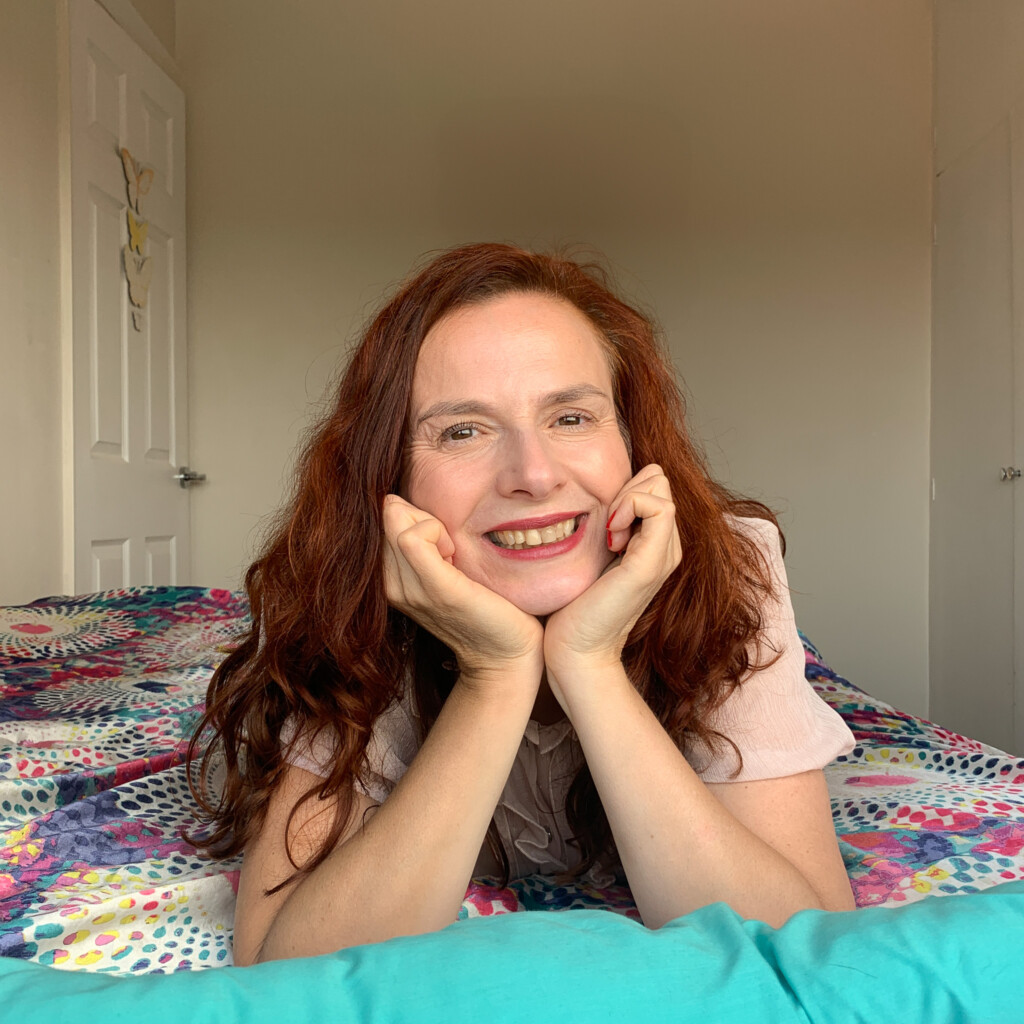
Kay Holdsworth – Counsellor and Psychotherapist
My main specialism is enabling women go from a place of feeling stuck and hopeless, to a space where they can trust themselves again and find more inner-peace and contentment.
My approach is certainly not cookie cutter therapy. I draw upon Counselling, Coaching, Hypnotherapy, Solution-Focused and CBT. Sessions often incorporate creativity, guided journaling and imagery, as well as powerful techniques such as Parts Therapy/Rewind.
Therapy in Leeds
For over 5 years I have worked as a Student University Counsellor. I have facilitated a variety of wellbeing courses and workshops. Book a free consultation.
I love helping women overcome limiting beliefs, old habits, and emotional blocks by accessing the unconscious mind and creating meaningful, lasting change. However, I only offer blocks of six therapy sessions, as I believe commitment is key to making real progress. Since I have limited space, I only work with clients who are fully ready to invest in their personal growth.
That’s why I’m offering a free 30-minute assessment—your opportunity to chat with me, gain clarity on what you want to change, and see if we’re a good fit.
This isn’t a formal therapy session; instead, it’s an open, relaxed conversation where we explore what’s keeping you stuck, how you want to feel, and what you’d love to be different in your life.
So, if that sounds good, let’s talk!
Check out my podcast, Create Yourself – Practical Activities for Self-discovery and Change